
Our Projects
“ True success in execution is not measured at the moment of completion, but in how seamlessly performance holds over time. ”
EPC
Medical & Healthcare
Vehicle & Automotive
Logistics & Shipping
Renewable Energy
Disaster Relief
Food & Beverage
ICT Equipments
Environmental Protection
Home Appliances & Furnishing
Prefabricated Buildings
Domestic Waste Classification & Treatment Plant
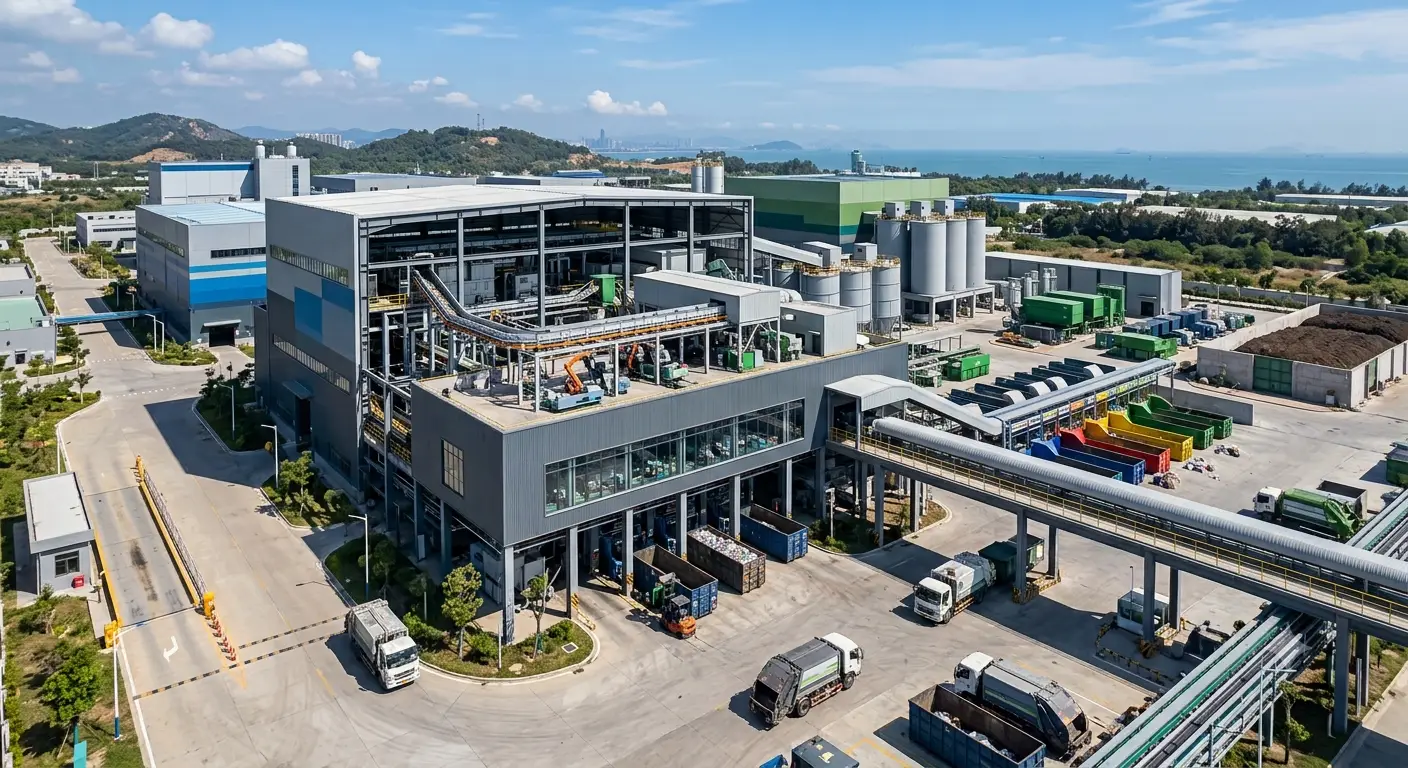
Xiamen Island, China
A municipal-scale household waste sorting and treatment plant on Xiamen Island — recognized by China’s Ministry of Housing and Urban-Rural Development as a recommended intelligent-sorting project.
Urban waste is not a disposal problem — it is a sorting problem. The value, the environmental gain, and the regulatory compliance all depend on separating waste streams intelligently and at scale. On Xiamen Island, Peak Globe delivered a domestic waste classification and treatment plant engineered to do exactly that at municipal volume.
The distinction of this project is not our claim of quality — it is an external one. The plant was recognized by China’s Ministry of Housing and Urban-Rural Development (MOHURD) as a recommended intelligent-sorting project: a national-level endorsement that places it among the reference installations other municipalities are pointed toward.
For governments and municipal authorities weighing a waste-management partner, that third-party validation carries more weight than any brochure. It signals that Peak’s systems don’t merely function — they meet the benchmark a national regulator is willing to recommend to others.
Domestic Waste Comprehensive Treatment Project

Accra, Ghana
A comprehensive, end-to-end domestic waste treatment project delivered in Accra, Ghana — municipal environmental infrastructure taken from planning through to operation.
Rapidly growing cities face a waste challenge that outpaces their existing infrastructure. In Accra, Ghana, Peak Globe delivered a comprehensive domestic waste treatment project — an end-to-end engagement spanning the full lifecycle rather than a single piece of equipment.
This is where Peak’s integrated model proves its worth. Drawing on the division’s full-lifecycle capability — planning and design, core equipment supply, construction, operation, and ongoing service — the project brought international environmental engineering to a market that needed it, under a single point of accountability. One partner carried the responsibility from first plan to running facility.
For governments across the developing world confronting the same pressures, Accra stands as evidence: Peak can transplant proven environmental infrastructure across continents and deliver it whole.
In-House Wastewater Treatment Plant

Division manufacturing facility, China
A fully operational wastewater treatment plant, engineered and run at our own facility — proof of capability, not just a product on a shelf.
Most suppliers ask clients to trust a specification sheet. We ask them to visit a working plant.
At our own manufacturing facility, Peak Globe operates a complete wastewater treatment plant — designed, built, and run in-house as a live reference installation. It is where our engineering is validated under real operating conditions before any system is offered to a client: process performance, membrane behaviour, energy consumption, and long-term maintenance cycles are all proven on-site, day after day.
For a buyer evaluating environmental infrastructure, this changes the conversation entirely. Rather than assessing a vendor on promises, partners can examine a functioning system, review its real operating data, and see the same technology they are considering already delivering results. It is the difference between a catalogue and a track record.
Rapidly growing cities face a waste challenge that outpaces their existing infrastructure. In Accra, Ghana, Peak Globe delivered a comprehensive domestic waste treatment project — an end-to-end engagement spanning the full lifecycle rather than a single piece of equipment.
This is where Peak’s integrated model proves its worth. Drawing on the division’s full-lifecycle capability — planning and design, core equipment supply, construction, operation, and ongoing service — the project brought international environmental engineering to a market that needed it, under a single point of accountability. One partner carried the responsibility from first plan to running facility.
For governments across the developing world confronting the same pressures, Accra stands as evidence: Peak can transplant proven environmental infrastructure across continents and deliver it whole.
UN Mission Wastewater Treatment Deployment
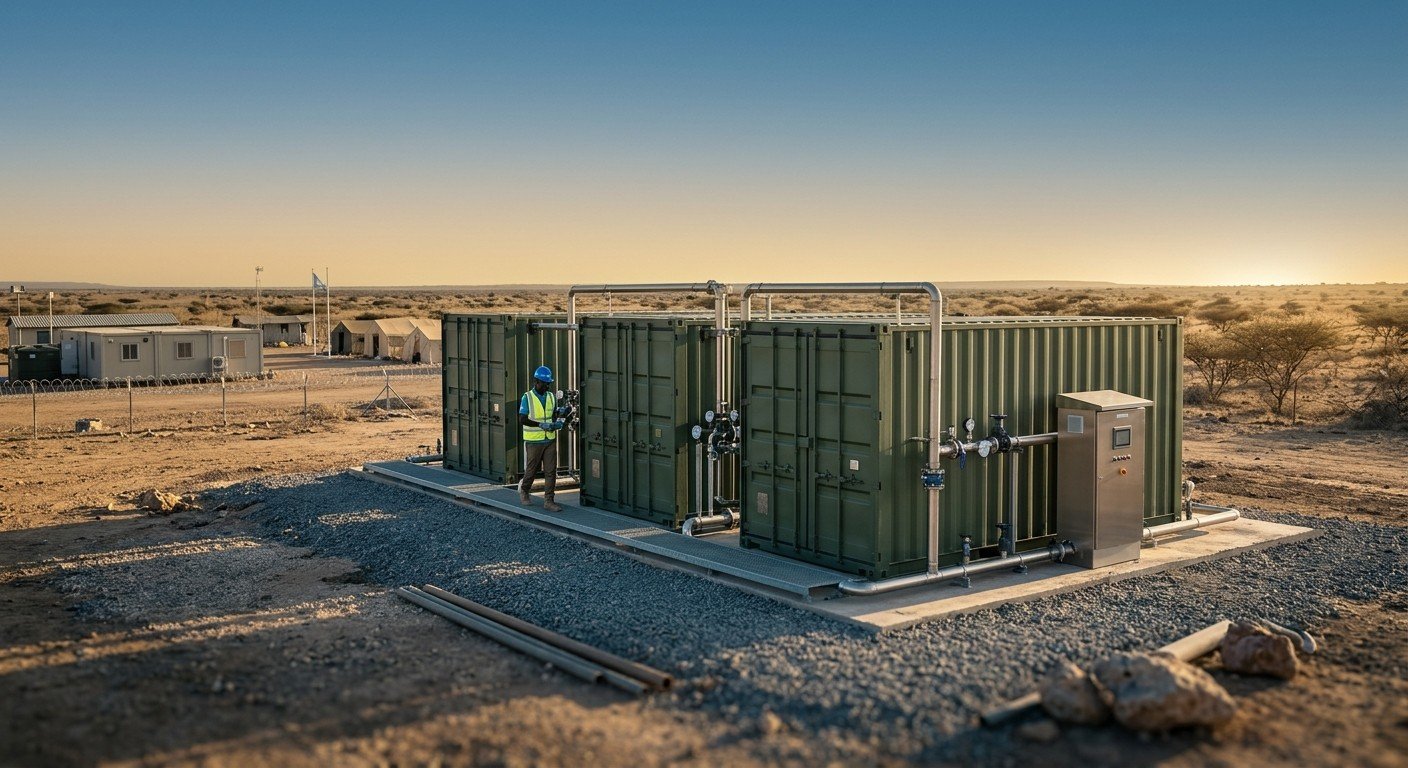
Somalia
Field deployment of our modular UN wastewater treatment system at a UN mission in Somalia — sanitation infrastructure engineered for one of the world’s most demanding operating environments.
Delivering environmental infrastructure to an active UN mission in Somalia is a test few suppliers are equipped to pass. The environment is remote, logistics are constrained, operating conditions are harsh, and the standard of accountability — because the end-user is a UN mission — is absolute.
Peak Globe deployed its modular domestic sewage treatment system, purpose-built for UN expatriate camps. The system’s three-part modular architecture — septic tank, lifting station, and treatment station — allowed it to be transported, installed, and commissioned under difficult field conditions, then tailored precisely to the site. Intelligent remote-controlled operation and automatic membrane maintenance reduce the on-the-ground burden in a location where specialist support is scarce, while corrosion-resistant, ruggedly-packaged components are built to endure.
The result is safe, reliable, energy-efficient sanitation operating where it is hardest to achieve — and a demonstration that Peak can carry a system from our factory floor to a UN deployment zone and keep it running.
SESEHA EPC Solar Logistics

China → Kabul & Northern Afghanistan
An integrated cross-border logistics operation delivering a complete solar EPC project into Afghanistan — 4,197 packages and over 1,500 tons of PV infrastructure routed to schools and healthcare facilities across Kabul and the north.
Delivering a complete solar power project into Afghanistan is a logistics challenge of the highest order. The destination is landlocked, the customs and border conditions are complex, and the cargo — solar modules, energy-storage batteries, PV systems from 10kW to 500kW, and all associated installation materials — is high-value, delicate, and partly classified as dangerous goods. For a project serving schools, healthcare facilities, and public service sites across Kabul and northern Afghanistan, failure at any point in the chain was not an option.
Peak’s Logistics Center engineered the entire route end to end: supplier consolidation across China, border warehousing in Xinjiang, full-container and full-truck cross-border road transport, Afghan customs clearance, and final distribution to Kabul and the north. Execution was deliberately phased — a pilot shipment of 2×40’HC ran from Tianjin to Kabul to prove the route, after which formal batches were organized by site category and delivery priority, with bulk cargo consolidated at the border warehouse and dispatched in controlled groups of 6 to 8 trucks.
The scale tells the story. Across the project, Peak moved approximately 543 PV system sets, 4,197 packages, roughly 1,527.65 tons of gross weight, and around 3,784.63 CBM — a large-volume, multi-batch, multi-site delivery executed into one of the most demanding destinations on earth. It is a definitive demonstration of Peak’s integrated execution capability where the logistics are the make-or-break factor.
MINUSCA Steel Bridge Logistics

Shanghai, China → Central African Republic
A full-scope DDP logistics solution delivering 50 containers of steel bridge components from Shanghai to the Central African Republic — heavy infrastructure moved intact to a complex landlocked destination.
Infrastructure cargo is unforgiving to move. Steel bridge components are heavy, oversized, and destined in this case for construction sites across Bangui and key operational zones in the Central African Republic — a landlocked country reached only through a long, multi-modal chain. For the MINUSCA steel bridge project, Peak’s Logistics Center took on the entire burden under a DDP (Delivered Duty Paid) arrangement, meaning Peak owned every risk and every cost from the Shanghai factory floor to the final site.
The operation moved 25×40′ SOC and 25×20′ SOC containers of steel bridge components — 50 containers in total — through a fully managed end-to-end chain: origin consolidation, packing, and container loading in Shanghai; full-container ocean freight and cross-border overland transit; and DDP customs clearance, duty handling, and final site distribution. Under DDP terms, the client received the cargo at site with nothing to manage and nothing left to chance.
Delivered at a total PO freight cost of USD 884,743, the project stands as clear evidence of Peak’s ability to execute heavy-lift, multi-container infrastructure shipments into complex landlocked destinations — the kind of move that defeats less capable logistics partners.
Emergency Vehicle Response: Critical Infrastructure Support
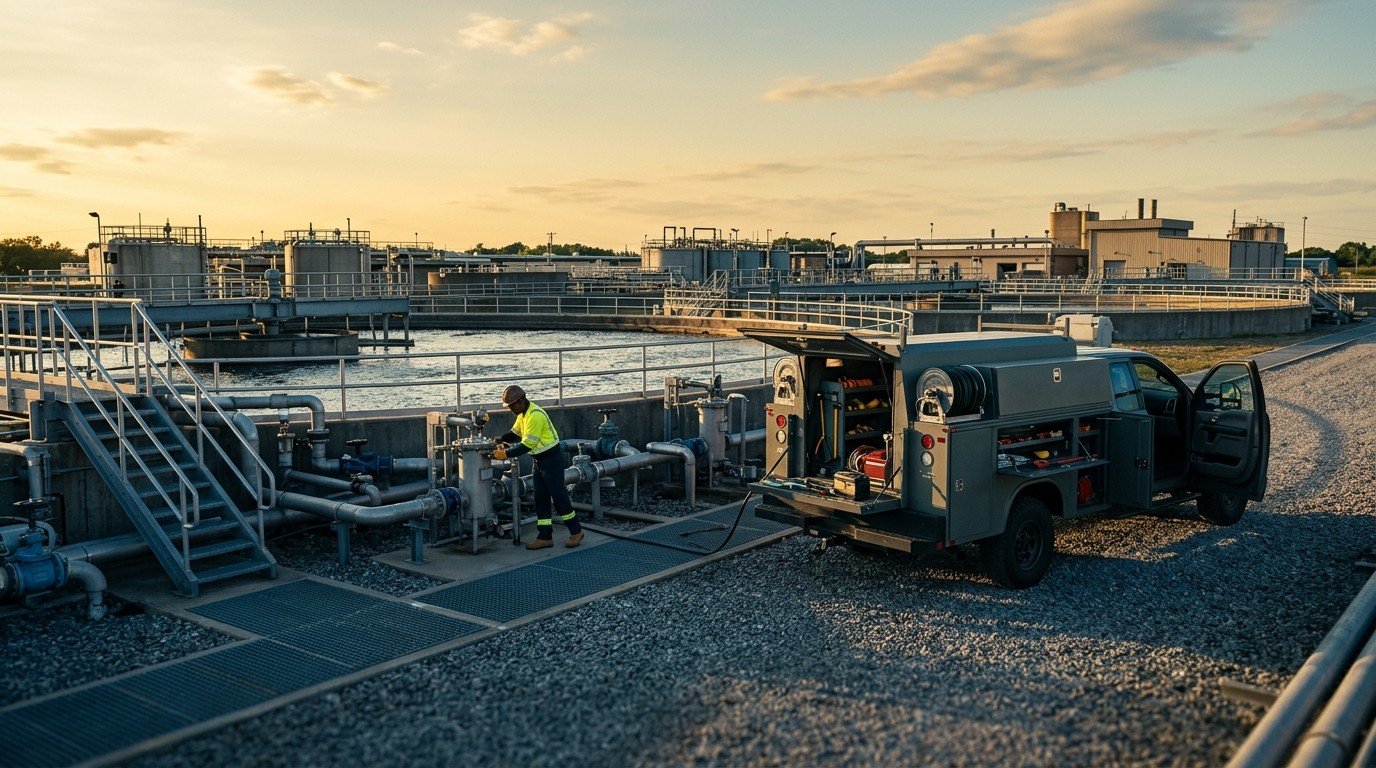
Rapid specialized-vehicle solution & repair
When a critical sewage treatment facility faced an operational emergency, Peak delivered a tailored specialized-vehicle solution at speed — restoring function before disruption could spread.
Critical infrastructure does not wait. When a sewage treatment plant faces a vehicle or equipment failure, every hour of downtime carries operational, environmental, and public-health consequences. The requirement in these moments is not simply a vehicle — it is the right specialized solution, delivered fast, by a partner who can act under pressure.
Peak responded with a rapid, tailored delivery of specialized vehicle solutions, engineered to the facility’s specific operational requirement and mobilized on a timeline that matched the urgency. Where a slower supply chain would have let a critical problem escalate, Peak’s ability to source, configure, and deploy the correct solution quickly ensured continuity of an essential public service.
This is the core of Peak’s value in emergency scenarios: not just access to vehicles, but the responsiveness and technical judgment to deliver exactly what a critical situation demands, exactly when it’s needed.
Construction Machinery Support: Post-War Reconstruction

Full-lifecycle after-sales service for construction machinery
In a post-war reconstruction effort, Peak delivered comprehensive after-sales service that kept construction machinery running through its full lifecycle — turning equipment into sustained rebuilding capacity.
Reconstruction after conflict is among the most demanding operating environments on earth. Supply chains are broken, local maintenance infrastructure is often absent, and the machinery doing the rebuilding must keep running with no margin for prolonged downtime. In this context, delivering equipment is the easy part — keeping it operational is the real challenge.
This is where Peak proved decisive. Rather than a one-time equipment handover, Peak delivered comprehensive after-sales service that enabled full-lifecycle utilization of the construction machinery — sustained support that kept the fleet productive when it mattered most. In an environment with little or no local maintenance capacity, that sustained service model was the difference between machinery that works and machinery that sits idle.
The result was a pivotal contribution to the reconstruction effort itself. By ensuring the equipment powering the rebuild stayed operational, Peak became not a supplier at the edge of the project, but a partner embedded in its success — the clearest demonstration of why full-chain, overseas after-sales support sits at the heart of our vehicle division.
Integrated Supply & Rapid Deployment
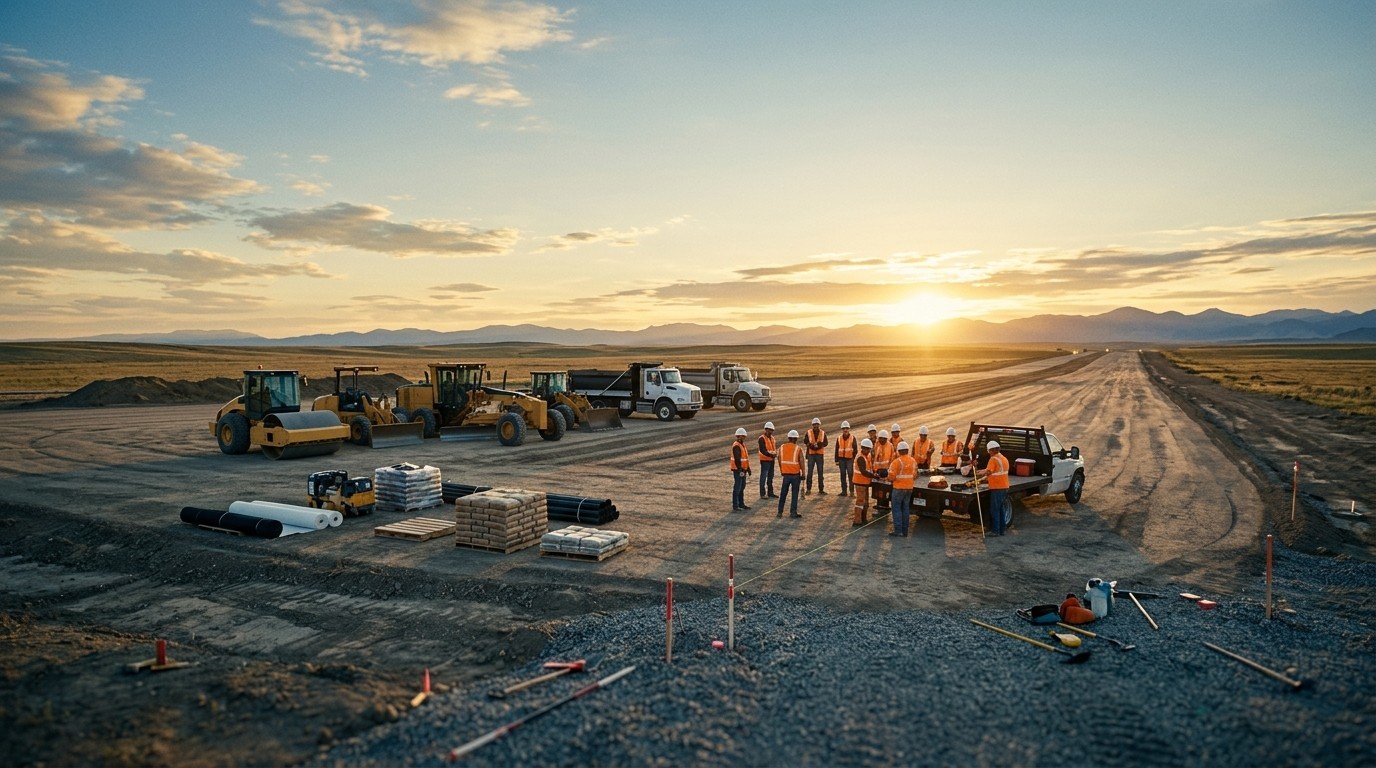
Integrated multi-product supply + expedited logistics & on-site deployment
For a road construction program, Peak met exact product preferences from an extensive integrated portfolio and used expedited logistics and on-site deployment to accelerate project start.
On major road construction programs, two things determine a supplier’s value: whether they can deliver the specific equipment the client wants, and how fast they can get the project moving. A delay at mobilization ripples through the entire schedule.
Peak delivered on both fronts. Drawing on an extensive, integrated product portfolio, we met the customer’s specific brand and product preferences without compromise — the advantage of a supplier with broad OEM-authorized access rather than a single narrow line. Then, through expedited logistics and rapid on-site deployment, Peak accelerated project commencement, compressing the gap between contract and groundbreaking.
The combination — precise product matching plus deployment speed — is what lets Peak remove friction from the earliest, most schedule-sensitive phase of a construction project. For clients, that means less waiting, faster starts, and a single partner able to supply the full range from one integrated source.
Right-Angle Fire Flashlights, Fire Services Department
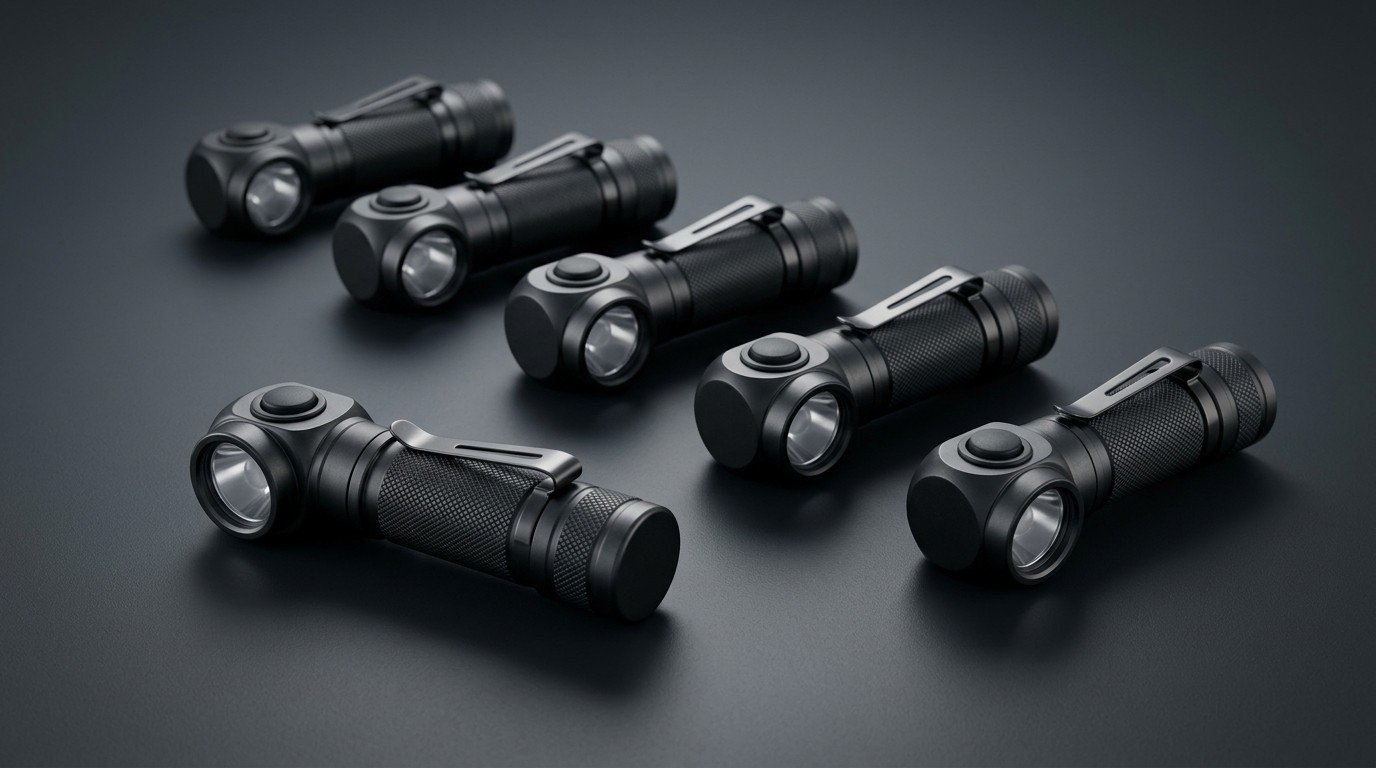
Hong Kong, China
Supplied 6,200 professional-grade fire flashlights to the Hong Kong Fire Services Department — meeting every performance requirement, and earning repeat orders on the strength of the result.
When the equipment protects the people who run toward danger, “good enough” does not exist. The Hong Kong Fire Services Department — one of the most demanding professional fire services in the region — needed right-angle fire flashlights that would perform without compromise on illumination, explosion resistance, and waterproofing.
Peak International supplied 6,200 imported Streamlight right-angle fire flashlights, with illumination intensity, explosion-proof rating, and waterproofing grade all meeting or exceeding the department’s specified requirements. In frontline fire operations, those are not marketing figures — they are the margins that keep responders safe in smoke, heat, and hazard.
The clearest measure of success came from the client itself: performance was strong enough that the department returned to Peak for additional rechargeable-battery purchases. A repeat order from a professional fire service is the most credible endorsement a supplier can receive — proof not just that we delivered, but that we earned the right to be called again.
Custom T-Shirts

China
Delivered 2,000 customized T-shirts that passed independent third-party quality inspection and earned positive client feedback.
Reliability is not only proven on the largest contracts — it is proven on every one. Peak International delivered 2,000 customized T-shirts, produced to specification and held to an independent standard.
Rather than rely on our own assurances, the order passed independent third-party quality inspection — an external verification that the finished product met the required standard — and earned positive feedback from the client. For any organization placing an order, that combination is what matters: work delivered as promised, and verified by someone other than the supplier.
It is a straightforward project, and that is precisely the point. Peak brings the same discipline and quality control to a 2,000-unit apparel order as to a multi-year framework agreement.
Furniture, Bedding & Linen

United Nations Procurement Division
Won a competitive bid for a 2-year UN framework agreement covering furniture, bedding, and linen — and delivered 22 orders to date at a 100% customer satisfaction rate.
Winning a single UN order is an achievement. Winning a competitive bid for a multi-year UN framework agreement — and then delivering against it flawlessly — is a different order of trust entirely.
Peak International secured a 2-year long-term agreement with the United Nations Procurement Division covering furniture, bedding, linen, and associated services, awarded through competitive tender. A framework agreement of this kind is the UN’s way of naming a supplier it can rely on repeatedly, without re-tendering each time — a standing vote of confidence that must be continually re-earned with every order placed.
Peak has earned it. To date, we have delivered 22 signed orders under the agreement at a 100% customer satisfaction rate — a record that speaks louder than any capability claim. This framework directly reinforces the division’s core strength in shelter, bedding, and NFI supply, and it demonstrates the one thing institutional buyers most need to know: that Peak performs not once, but consistently, order after order, under the scrutiny of the United Nations.
Modern Cassava Processing Line
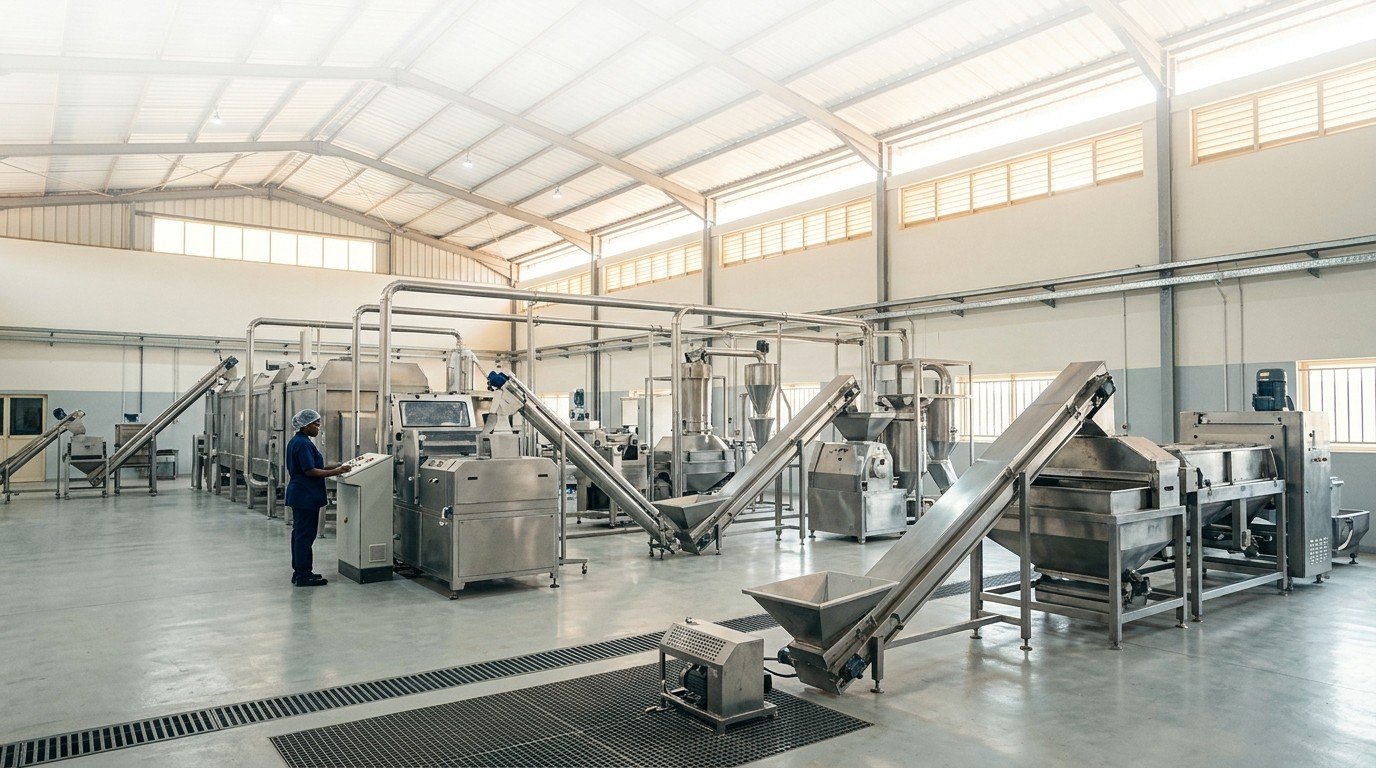
Guinea-Bissau
A complete modern cassava processing line delivered to Guinea-Bissau — replacing manual methods with standardized, automated production and strengthening the rural agricultural economy.
Cassava is a staple of Guinea-Bissau’s agricultural economy — but its value was being lost to manual processing methods that were slow, inconsistent, and unable to reach modern market standards. The raw potential was there; the means to unlock it was not.
Peak International delivered a complete, modern cassava production line — end to end. This was not a crate of equipment left at a port. We supplied professional processing machinery, installed it on-site, precisely commissioned it to working order, and trained local operators to run it independently. In doing so, we replaced backward manual methods with standardized, automated processing that raises utilization, finished-product value, and output quality.
The impact reaches beyond the factory floor. By optimizing the agricultural processing chain, the project helps local producers capture more value from their own harvest — supporting sustainable growth of the rural agricultural economy and building capability that stays in the country long after commissioning. This is what turnkey delivery means at Peak: not a transaction, but a lasting upgrade to how a nation processes its own resources.
Cashew Deep-Processing Upgrade
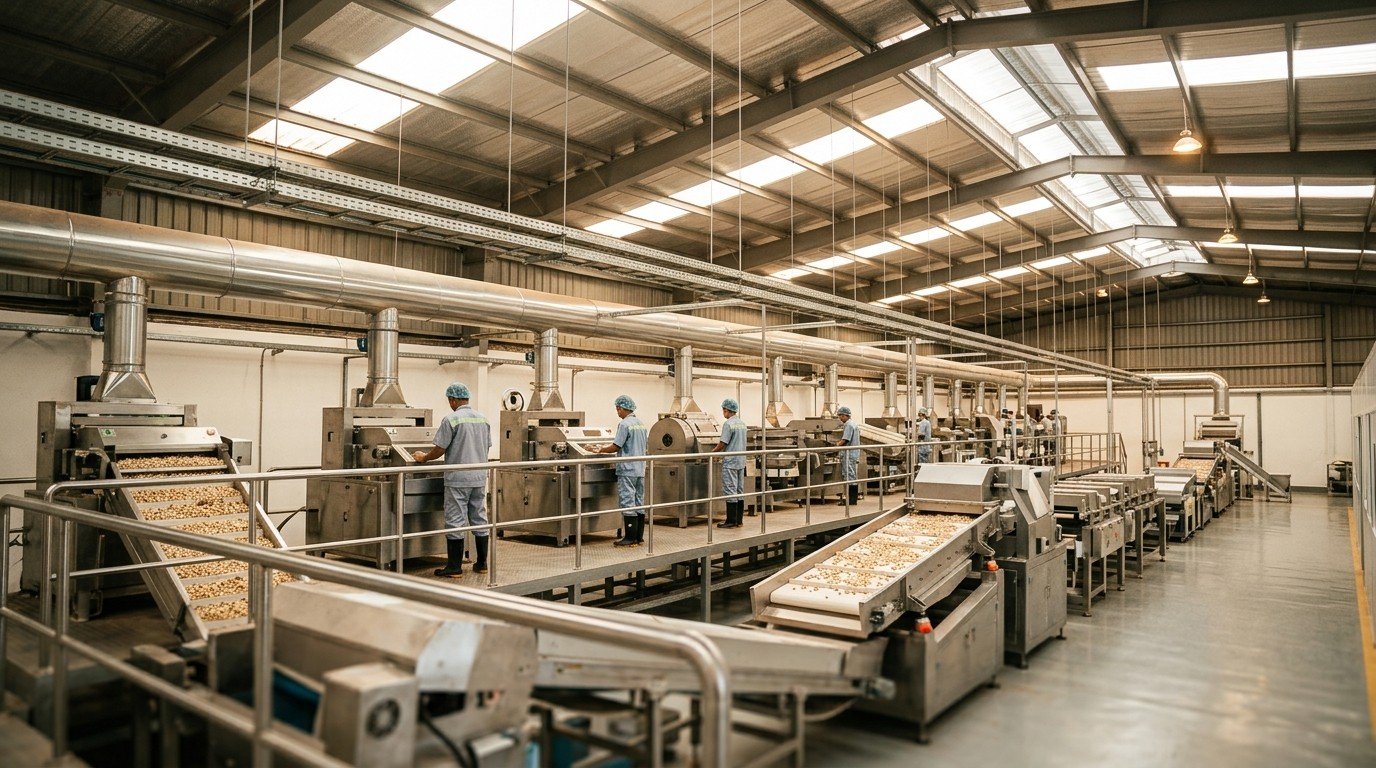
Cambodia
A national cashew deep-processing upgrade delivered in partnership with Cambodia’s Ministry of Agriculture — modernizing 20+ processing bases and advancing the country’s characteristic cashew industry.
Cambodia’s cashew sector held enormous economic promise — but manual processing was capping its yield, its quality, and ultimately its value on the world market. Unlocking it required more than equipment; it required a partner able to modernize an entire industry at national scale.
Peak International delivered exactly that, in direct partnership with Cambodia’s Ministry of Agriculture. Across more than 20 processing bases, we supplied complete shelling and deep-processing equipment, installed and commissioned each line, and trained operators to run them to standard. Manual processing bottlenecks were replaced with modern, standardized production — lifting yield, improving finished-product quality, and adding real economic value to every stage of the chain.
A government partnership at this scale is a mark of trust few suppliers earn. By working hand-in-hand with a national ministry across dozens of sites, Peak did more than sell machinery — we helped advance Cambodia’s characteristic cashew industry as a whole, strengthening a national export sector and the livelihoods built around it. It is proof that Peak can operate as a strategic industrial partner to a government, not merely a vendor to it.
From our factory to your field — and every step after.
Manufacture
➜
Transport
➜
Install & Commission
➜
Train
➜
Maintain
➜
On-Call Support
Delivered Where It Matters Most
Every Project. One Standard.
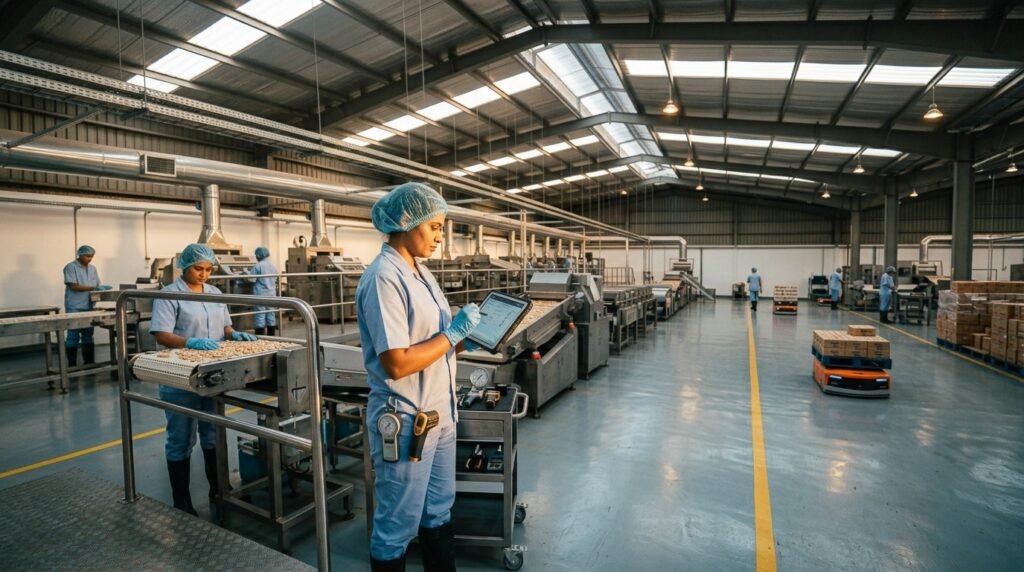
Ramdom Witnesses

Yasser RACHID
Data Analytics Manager at Peak Globe
“Managing complex EPC projects across multiple territories requires absolute precision in supply chain and material coordination. Peak Globe has proven to be an indispensable strategic partner. From technical part-number verification to multi-stage cargo tracking and site-level delivery, their team operates with total transparency and zero-failure execution. Their ability to handle high-value capital equipment logistics while strictly adhering to regulatory and compliance standards has saved our projects critical time and mitigated massive operational risks. A truly tier-1 global infrastructure partner.”
Yasser RACHID
Data Analytics Manager at Peak Globe
“Managing complex EPC projects across multiple territories requires absolute precision in supply chain and material coordination. Peak Globe has proven to be an indispensable strategic partner. From technical part-number verification to multi-stage cargo tracking and site-level delivery, their team operates with total transparency and zero-failure execution. Their ability to handle high-value capital equipment logistics while strictly adhering to regulatory and compliance standards has saved our projects critical time and mitigated massive operational risks. A truly tier-1 global infrastructure partner.”
Yasser RACHID
Data Analytics Manager at Peak Globe
“Managing complex EPC projects across multiple territories requires absolute precision in supply chain and material coordination. Peak Globe has proven to be an indispensable strategic partner. From technical part-number verification to multi-stage cargo tracking and site-level delivery, their team operates with total transparency and zero-failure execution. Their ability to handle high-value capital equipment logistics while strictly adhering to regulatory and compliance standards has saved our projects critical time and mitigated massive operational risks. A truly tier-1 global infrastructure partner.”